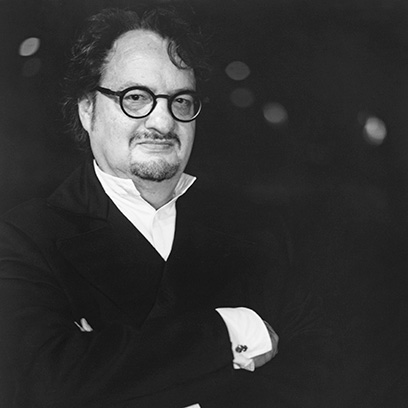
Conductor
2026 Season · Production III
A candlelit evening to close the season: Mozart, Wagner and Finzi, three radiant meditations on birth, wonder and renewal, beneath the soaring arches of St John's Cathedral.
Tickets from $49
Date
Thu 17 December 2026
Time
7:00 PM
Venue
St John's Cathedral
Location
Brisbane City
Brisbane Lyric Opera closes its inaugural season with an intimate December concert built around a single, luminous idea: the day of birth.
The Latin Dies Natalis, "day of birth", gives the evening both its name and its through-line. The evening opens with Finzi's own Romance for Strings (a hushed, unhurried prelude for strings alone) before Mozart's jubilant motet rises in unbroken praise; Wagner's tender Siegfried Idyll was itself a birthday gift, first played on Christmas Day; and Finzi's radiant cantata sets the visionary poetry of Thomas Traherne, recalling the wonder of a soul's first morning in the world.
Performed in the candlelit grandeur of St John's Cathedral, it is an evening made for the closing weeks of the year: reflective, celebratory, and quietly transcendent.
Repertoire
Programme Notes
Finzi wrote little for string orchestra alone, which makes the Romance something of a rarity in his output, and a beautiful introduction to a composer whose reputation rests so heavily on his songs. Composed in the early 1920s and revised later in the decade, the piece unfolds as a single long, unhurried melodic arc, the kind of writing that seems to breathe rather than progress from one bar to the next. There is a particular English quality to it: restrained, a little melancholic, never showing off. Finzi was a composer who distrusted grand gestures, and the Romance is proof that he didn't need them. It simply rises, lingers, and settles again, leaving behind the sense of something deeply felt but never overstated.
Mozart was seventeen when he wrote this motet in Milan, for the celebrated castrato Venanzio Rauzzini, and you can hear the confidence of a young composer showing exactly what he, and his singer, could do. It is really a small concerto for soprano, in three movements plus the famous closing "Alleluia," and it asks for both agility and warmth in more or less equal measure. The opening movement is pure sunlight; the central slow movement turns inward and tender before the soloist launches into that final, irrepressible Alleluia, which has become one of the most instantly recognisable moments in the sacred repertoire. Whatever its origins as an occasional piece for a specific singer on a specific night in Milan, it has outlived every one of those circumstances and simply become joy, distilled.
Wagner wrote this as a birthday present for his wife Cosima, on the morning of Christmas Day 1870, following the birth of their son Siegfried the previous year. It was first performed on the staircase of their home in Tribschen, by a small ensemble assembled in secret, waking Cosima as she slept. Knowing this, it is hard not to hear the piece as intensely personal: themes drawn from Siegfried itself and from a lullaby Wagner had once sketched intertwine with unusual tenderness for a composer more readily associated with scale and grandeur. Scored for a small chamber sized group rather than his usual vast forces, it shows a different Wagner, quieter, more intimate, writing not for the opera house but for the people in the next room.
Finzi returns to close the programme, and with him we come to what many consider his masterpiece. Dies Natalis sets four extraordinary texts by the seventeenth-century poet and mystic Thomas Traherne, whose writing on the wonder of childhood and the freshness of first seeing the world clearly struck something deep in Finzi. The result is music of rapt, almost private intensity, a soprano or tenor soloist floating above strings that seem to hold their breath along with the listener. Traherne wrote of a soul newly arrived in the world, seeing everything, light, fields, the sky, for the first time, without the dulling weight of familiarity. Finzi, a composer preoccupied throughout his life with mortality and the fragile beauty of ordinary things, found in these words the perfect vessel for everything he wanted to say. It is music that asks for stillness, and rewards it completely.
Artists & Musicians
Conductor
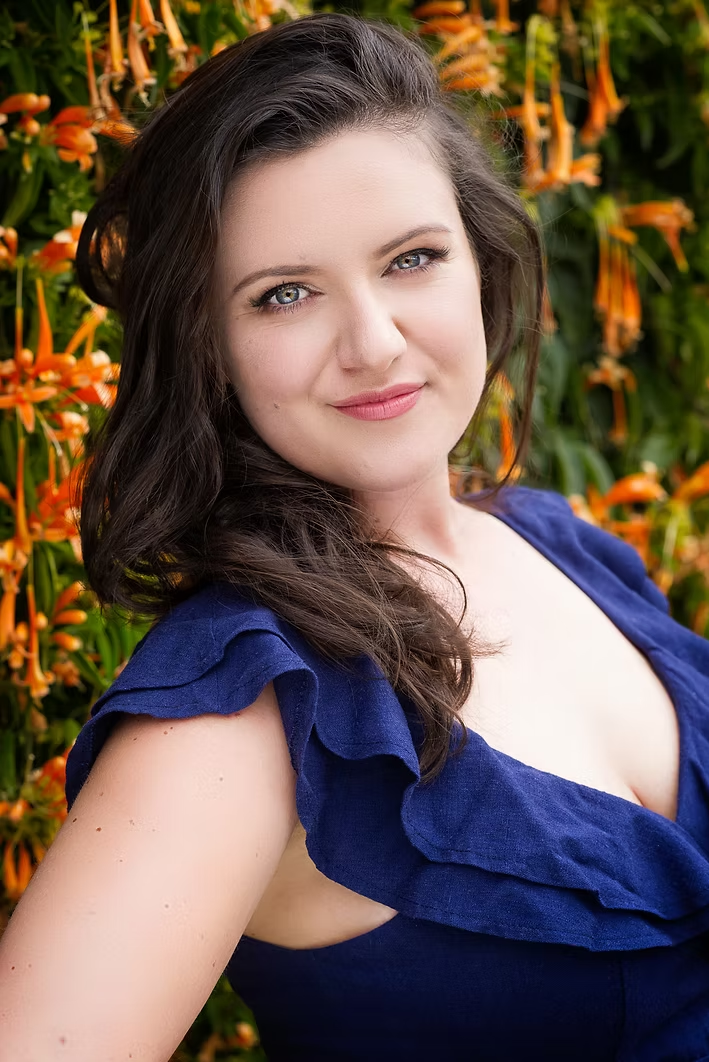
Soprano
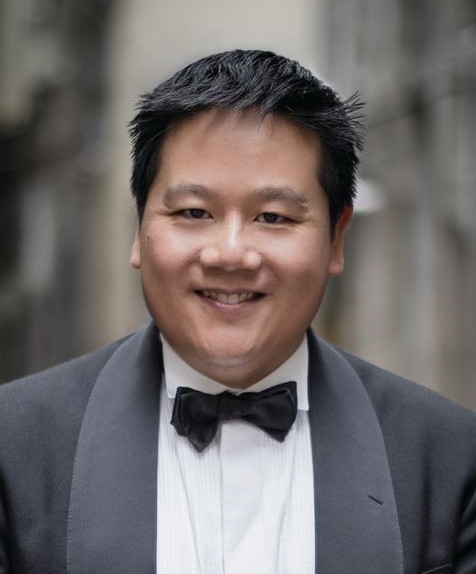
Tenor
Tickets
Join us for the final concert of Brisbane Lyric Opera's inaugural season, a candlelit evening at St John's Cathedral, on Thursday 17 December 2026 at 7:00 PM.
Seating is limited. Book early to secure the best seats in the house, or sign up to our mailing list to be first to hear about casting and on-the-night details.
2026 Season
Revisit the performances that opened Brisbane Lyric Opera's inaugural season, meet the patrons who made it possible, and read how BLO vocal instructor Aylish Ryan reached the Australian Singing Competition finals.
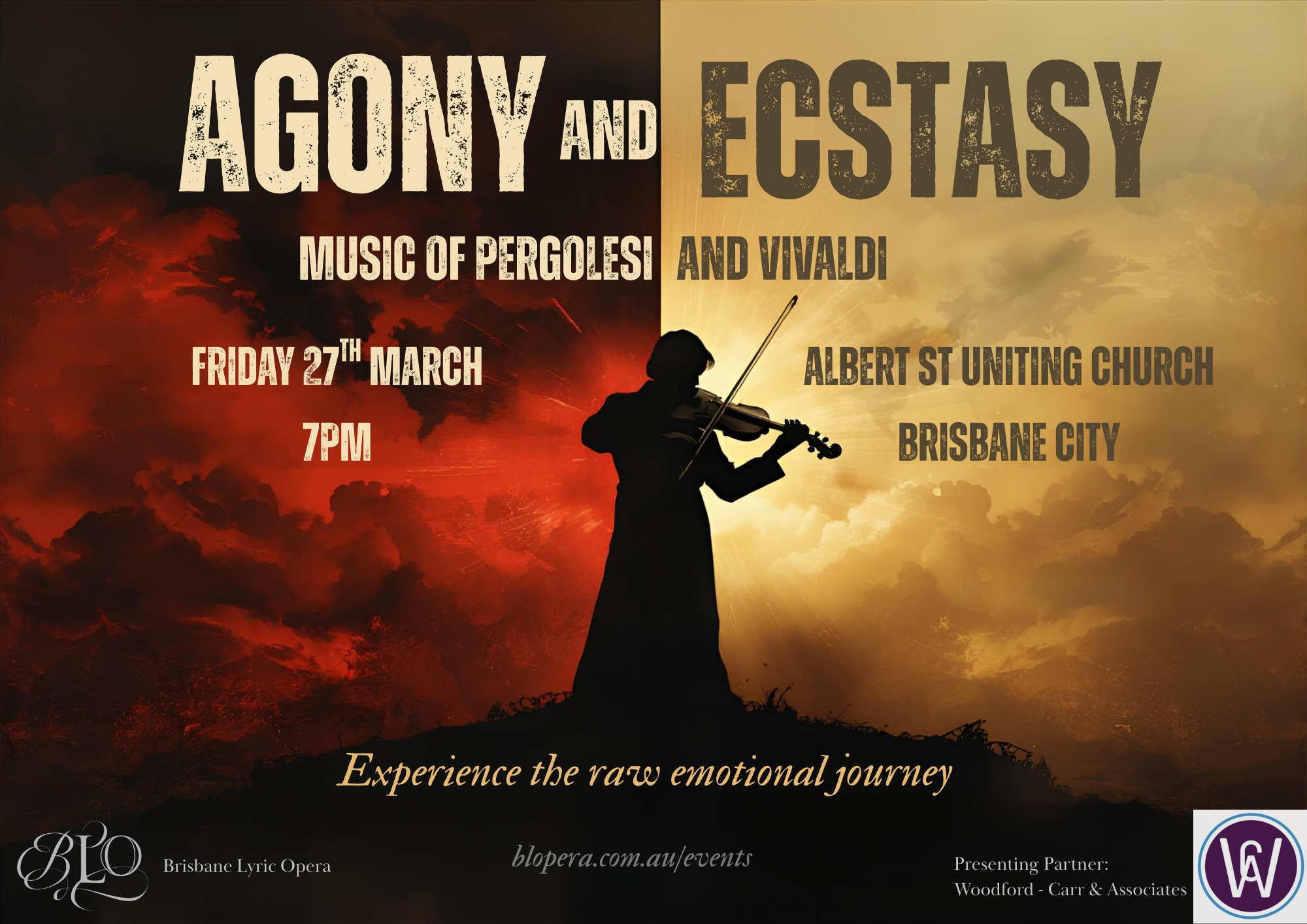
Friday · 27 March 2026
Albert St Uniting Church · Brisbane City
Music of Vivaldi and Pergolesi: an evening of profound emotional extremes, from celestial ecstasy to piercing agony.
View Agony and Ecstasy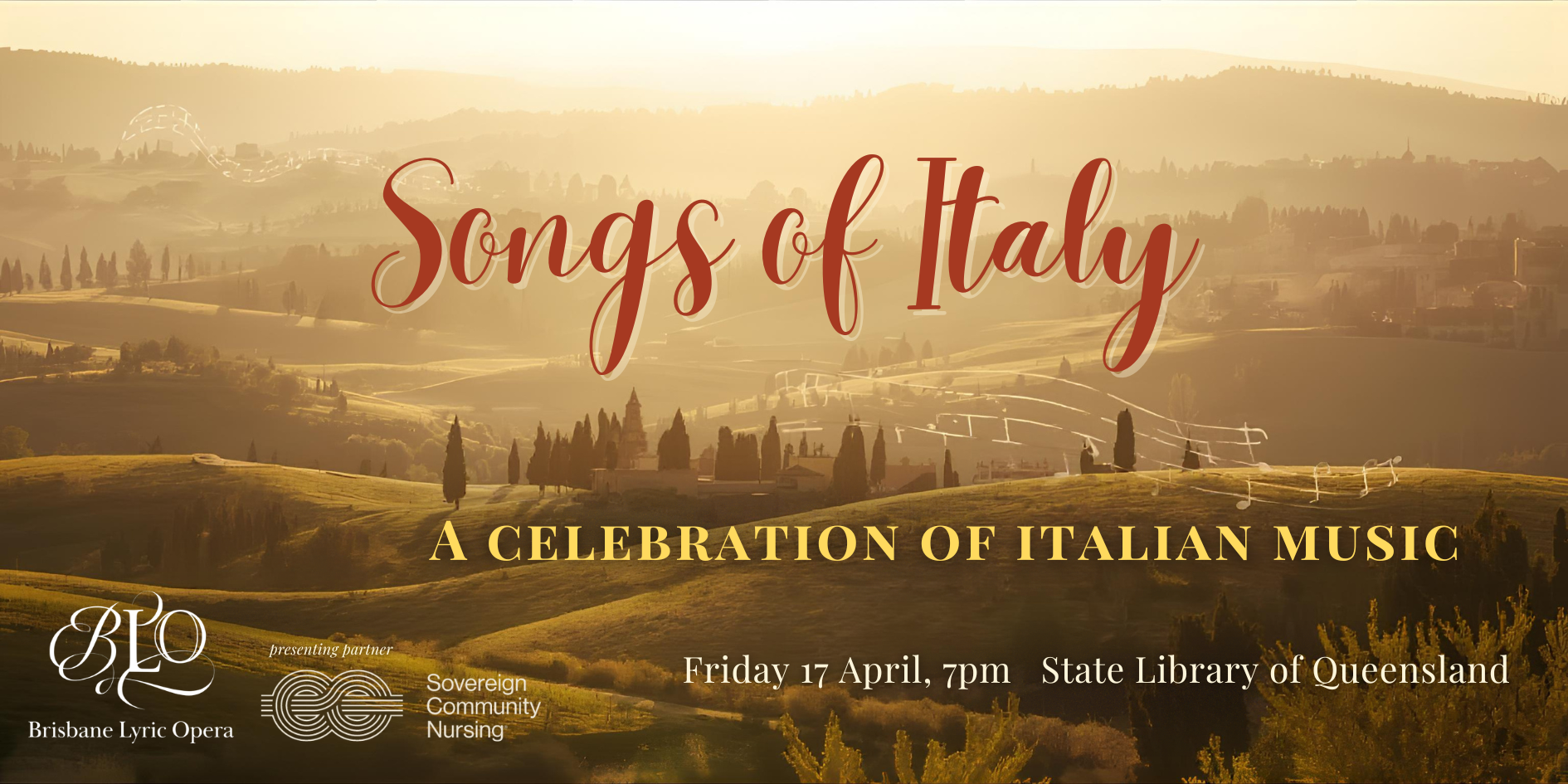
Friday · 17 April 2026
State Library of Queensland · South Brisbane
A celebration of Italian vocal music: timeless classics capturing the soul of Italy, performed by three accomplished artists.
View Songs of Italy